
GLP-1s and Rock Climbing: Guest Post by Adam Reichental
Author: Adam Reichental
Warning: the following isn't medical advice. I'm not a doctor and I'm certainly not your doctor. I am, however, a climber and a steroid enthusiast.
Setting the Stage for GLP-1s in rock climbing
Well then, it's nearly 2026. Sport climbing is over 40 years old now and we're still having discussions about supplements like it's the 80’s. Is creatine good? Yes. Is collagen helpful? Doesn't seem that way but maybe. Should you eat more protein? Almost certainly. These discussions were relevant 20 years ago but in a lot of the community, it's still debated. As a sport, it's time we evolve.
Don't worry friends, your guide to chemical warfare in rock climbing is here. Eventually I'll cover all the PEDs I've ever tried along with plenty of tips for the forever nattys out there. For now though, let's go kick stuff off with a friendly WADA (World Anti-Doping Agency) approved (or at least not banned at the time of writing) compounds in the GLP-1s. I want to go over the established GLP-1s, how they work, the new ones coming down the pipe, the place they could have for climbers and my experience/thoughts on them.
Before hopping in though, I want to make a couple of caveats. While I am an avid steroid/peptide enthusiast, my purpose isn't to exclusively ideate these compounds. I know I'm going to talk about them and make them sound awesome and while I believe they are, drugs certainly aren't for everyone. Both at the high end and low end of the sport. Our community has been largely drug free for decades and that's admirable as hell. It's one of the many reasons I love the sport.
I'll absolutely be transparent with the downsides of these compounds and try to give the best suggestions of how to use these compounds responsibly. I’m well aware of this community’s tendency to lean into eating disorders so I urge you to proceed with this discussion both with an open mind and a stern warning to know who you are and proceed with caution. Anyway, enough disclaimers out of the way. Let's get into it.
What Are GLP-1s?
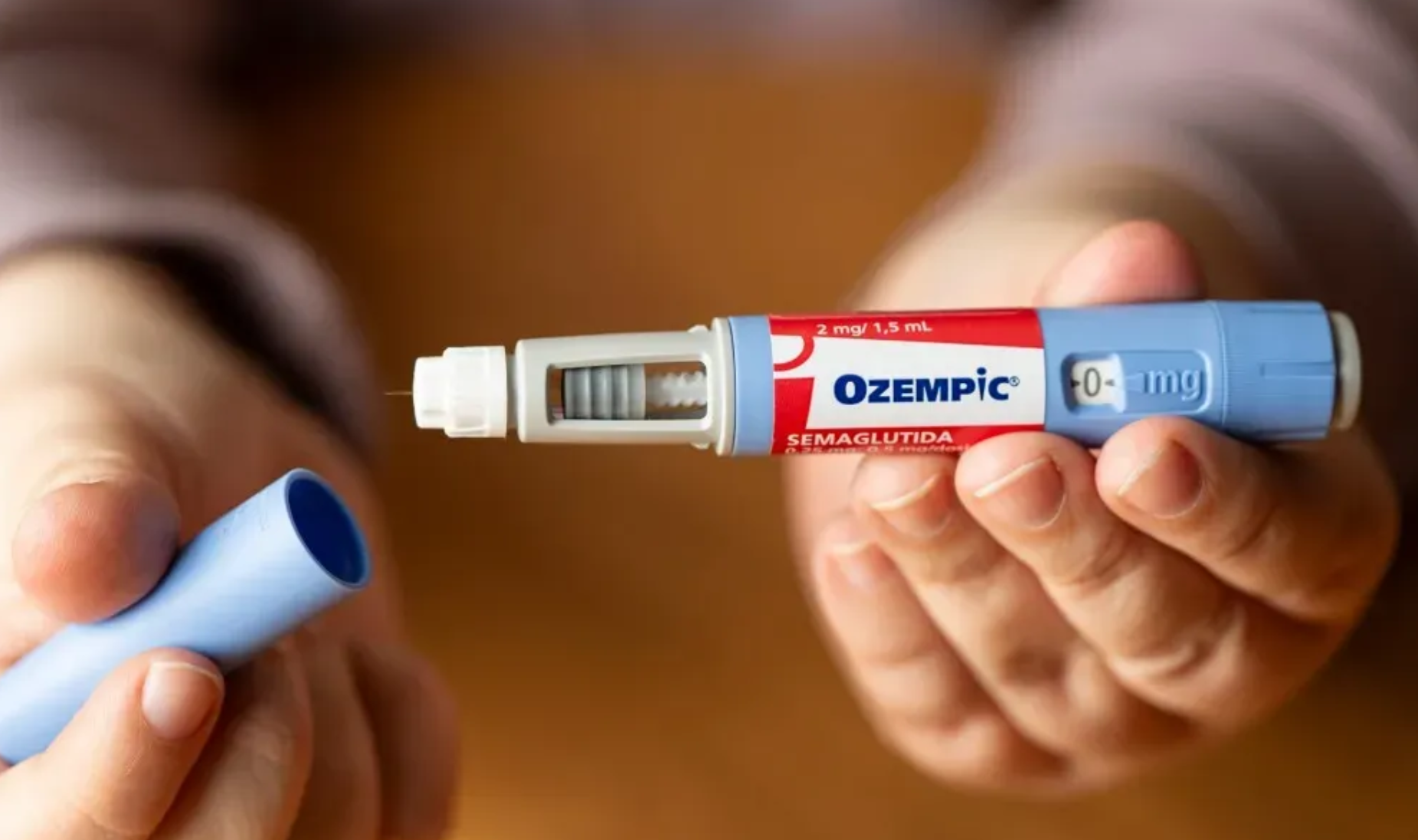
By now, you've probably heard of Ozempic or Zepbound. These diabetes/obesity drugs are designed to slow gastric emptying to make folks feel full. We know they help people get full faster and stay full longer. We know it helps folks struggling with obesity lose around 20% of body mass and we know they're FDA approved/available for prescription.
Although they may seem and feel new to the sporting world at large, there's actually over four decades of research on them. They're also more common than I expected. At least stateside, roughly 12% of people have already tried them at least once. Let's compare the legal ones first!
Ozempic
Ozempic was the first generation GLP-1 exclusively smashing the glucagon-like peptide-1-receptor. Mechanistically, it only has one vector for weight loss. Lower appetites leads to lower calories and fat loss. That's both helpful and sub-optimal.
It's a great tool for crushing high food noise but that's literally all it can do (on paper anyway). It seems to have some impacts around dopamine signaling and has been shown to help curb addictive behaviors like excessive drinking, weed and even gambling (Source). Due to only smashing appetite, it does seem to cause nausea when dosed higher or beyond a person's tolerance.
In my experience, I've seen women struggle more with GLP-1s than men i.e. side effects like hair loss not seen in men. The upside of this though is lower food noise at lower calories. Being full on 1600 calories can be an amazing tool in a weight cut to peak for a project. Awesome, right? Ehh. It's an old tool. Even though it's been used in bodybuilding circles for 5-ish years now, it's not worth running. Why? Because the new tools are just too damn good.
Tirzepatide (Zepbound)
Meet Tirzepitide, but you might know it as Zepbound. Tirzepatide is different because it activates both GLP-1 and GIP (glucose-dependent insulinotropic polypeptide) receptors.
Yep, they added another mechanism on an already solid tool. The result is faster fat loss (about 10% more than Ozempic), and because you have more mechanisms of action for fat loss, you don't need to hammer the GLP-1 as hard, hence less nausea but still really potent at blunting hunger signaling.
The Muscle Loss Trap
So you can handle nausea? Think it's all smooth sailing? Well, GLP-1s are notorious for causing muscle loss… Folks tend to bring their bad eating habits with them when they go on GLP-1s. This is an egregious mistake. If you're going to leverage GLP-1s, there are a few golden requirements to ensure ideal outcomes.
Protein Is Non-Negotiable
This is obvious since we need it for muscle retention in a calorie deficit. However, getting protein is harder because we feel full. That's where Fairlife shakes and greek yogurt are clutch. Easy to digest high protein sources make the tool a lot easier to wield. Hitting 1 gram per pound of bodyweight in a calorie deficit is the bare minimum to maximize muscle retention.
Hormone Support
There's another less obvious requirement and that's around hormone health. Lower body fat percentages can and will crash hormones for men and women alike. If you ever see labs from natural body builders, they are usually hypogonadal due to how crushed their hormones are from being that lean. Who’d have guessed the body being so lean that it thinks its starving would have hormonal consequences?
That's where omega 3s and DHEA come in (DHEA isn't WADA approved). Both can give your endocrine system a fighting chance in deep calorie deficit keeping your estrogen and testosterone intact.

My Experience With Retatrutide
Have I used GLP-1s? Yes. Did I use Ozempic or Zepbound? No.
I opted for the third generation Retatrutide, which now has a GLP-1, GIP, and glucagon receptor agonist (adding the glucagon agonist). Like other incretin mimetics, it is structurally similar to GIP, with alterations in the peptide backbone to increase agonist activity at the GIP, GLP-1, and glucagon receptors.
Yes, we get another receptor to target fat loss and improve insulin sensitivity. Due to having more mechanisms of action, it hits appetite suppression less while giving more fat burning potential. This is why I think it's the superior tool for me and climbers who aren't naturally super hungry people. And yes, it's a lot better than Tirzepitide.
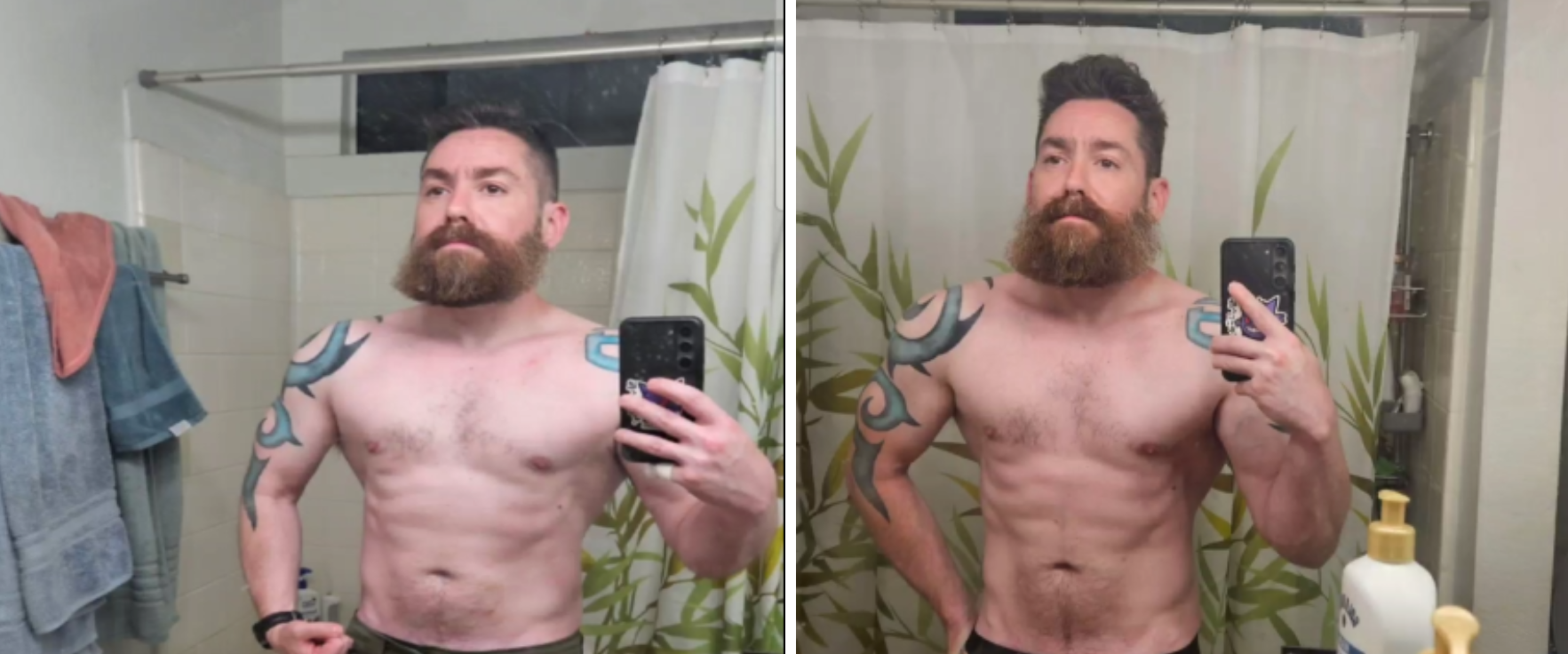
I ended up losing 15 lbs in 6 weeks without losing muscle. Yes, I was leveraging testosterone replacement therapy (I'll be writing more about that soon because I believe climbers are wrong about that too) but I think these results are repeatable by non-enhanced athletes. I wasn't even dieting as hard as I could have.
Side Effects
Personally I had a great experience with Reta. Outside of the fat loss, there were a few days where I may have dosed too high and I was forcefeeding to hit my protein and 1600 to 1900 calories. It was maybe four days though out of six weeks so really nothing that couldn't be tolerated. Both myself and my wife noticed if we bumped up the dose, it'd lead to more time in the bathroom and having a bit of a cleansing (I’ve seen this with other bodybuilders as well) but that's the extent of the negative side effects I had.
Unexpected Benefits
The real gift of the GLP-1 wasn't for my mental wellbeing but really for those around me. I'm a bit of a hangry diva if you get to know me so removing hangry as an emotion is a revolutionary outcome.
I even found myself less angry in traffic (I suspect the dopamine signaling has something to do with that). In a lot of ways, I think it did some rewiring to me around compulsive dopamine as well; I played mobile games less compulsively even months after discontinuing the Reta. I even slept really well on it too which is awesome because I don't sleep for shit when I'm hungry.
Post-Cycle Experience
Once I was off it, my appetite returned but I didn't regain the lionshare of the weight. Sure, I went from 152 to 159 but still well below the 167 starting point. I also planned to gain some tissue so I suspect at least one or two lbs of the seveb I gained were muscle. Even in the calorie deficit, I was also hitting PRs on lifts and climbs as well (2 grades on the kilter board, a 405 deadlift and my weighted pull up went up 15 lbs).
On Dosing
Yes, it's considered a research chemical but it's also in phase 3 clinical trials and I’d be happy when it passes phase 3 trials. I suspect it will hit the market from Eli Lilly in the next two to three years. It's an awesome compound. I'll link the clinical trials here.
I do want to mention dosing though. For climbers, I needed a sub clinical dose and I bet you might too. Unless you're obese, starter doses of these drugs are likely too strong for you. There's a couple ways to go about this.
Either start with 10% of the dose and add 10% more every other day until you're at a level of fullness you're comfy with or start at 25% and go from there. Doses will vary depending on if you opt for Zepbound or Retatrutide.
Are GLP-1s Necessary for Climbers?
Are GLP-1s mandatory? Of course not. It's a quality of life compound for peaking for climbs in my opinion. Sure Reta may help you get leaner faster due to the added fat burners but folks can get super lean naturally. For me though, not being a hangry jerk and being able to sleep well in a deficit is just the better way to go.
Like I said before, these may not be for everyone. I encourage folks to get lean but DO NOT LOSE MUSCLE!!! If you have a history of eating disorders, for the love of God don't leverage these compounds either. Being reckless isn't something I encourage.
In the same way as a community, we shun bad safety practices on the wall. I want to build that culture around PEDs. Routine lab work, managing health markers and being mindful of mental side effects is all what I consider good style. I know I'm going to be giving information that's the equivalent of giving chimps TNT but I urge us all to respect these tools and use them with care.
Author: Adam Reichental
If you enjoyed this column, feel free to give me a follow. I document all of my labs, my experiments and my research.